
Keno Spribe offers a different pace from familiar casino choices such as slots, roulette, blackjack, and live dealer games. Before playing, it helps to compare how keno spribe and each format work, how much control you have over a round, and what the rules say about payouts and risk. This guide explains practical differences, account and payment checks, and responsible play considerations. The aim is not to promise an outcome, but to help you decide whether this number-drawing game suits your preferences and budget.
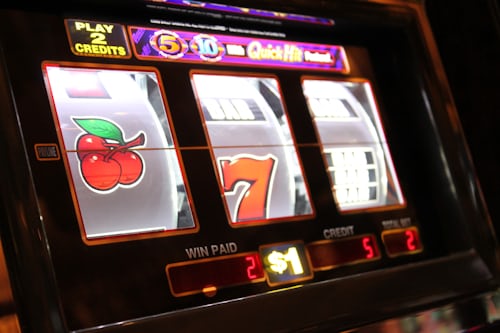
Keno Spribe: a practical look at games and account setup
Keno is based on selecting numbers and seeing which ones appear in a draw. The exact number of selections, draw process, payout schedule, and available bet sizes depend on the game version and the casino offering it. Check those details before wagering; a familiar name does not guarantee identical rules across operators. Compared with slots, where symbols and bonus features shape each spin, keno centers on number choices and a result that can be understood at a glance. That simplicity may appeal to players who prefer a clear, repeatable round rather than layered game features.
Other casino games create different kinds of participation. Roulette offers a choice of bets on numbers or groups, while blackjack asks players to make decisions during a hand. Slots usually require little decision-making after a stake is set, and live dealer games add a streamed table environment. Keno sits between these styles: players choose numbers, but the draw determines the result. Before opening any game, compare the posted rules, return information where available, minimum and maximum stakes, and whether the pace feels comfortable for you.
How to compare games and get started responsibly
Start with the rules and the real-money conditions, not a headline or an assumed advantage. The following steps can help you evaluate keno alongside other casino formats without treating entertainment as a source of income.
- Check access: Confirm that online casino play is legal where you are and that the operator is authorized to serve your location.
- Review the rules: Read how number selection, draws, winning combinations, and payouts work in the specific keno version.
- Set a limit: Decide on a spending cap and time limit before you begin, and do not raise them to chase a loss.
- Compare the format: Consider whether you prefer choosing numbers, making decisions during a hand, watching a live table, or spinning slots.
- Try a low-stakes session: If you choose to play, use an amount you can afford to lose and stop at your preset limit.
- Rules and payout schedules may vary between casino operators.
- Low stakes can make it easier to keep spending within a planned budget.
- A demo mode, if offered, can help you learn the interface without wagering.
- Game outcomes are uncertain; past results do not predict the next draw.
Practical differences between keno, slots, and table games
The most useful comparison is how each game turns a stake into a round. In keno, players select numbers and wait for a draw; the payout depends on the rules and the match pattern. A slot round typically begins with a spin and may include several symbol combinations or bonus rounds. Roulette asks players to place a wager on a number or outcome category before the wheel spins. Blackjack is more decision-based: players choose whether to hit, stand, or take other actions permitted by the rules. These mechanics affect the pace and level of interaction, but none removes the uncertainty of gambling.
When comparing a particular Spribe keno listing with games elsewhere in a casino, check the game information panel rather than relying on general descriptions. Look for the stake range, how many numbers may be selected, the draw size, payout conditions, and any stated return information. Also consider practical factors such as round speed, sound controls, mobile usability, and whether the game offers a practice mode. These are usability details, not evidence that one option is more likely to produce a win. Use the list below as a focused checklist before depositing or starting a session.
- Round structure: Identify when a wager is placed and how the game decides a result.
- Player choices: Compare number selection in keno with betting options in roulette or decisions in blackjack.
- Cost per round: Check the minimum stake and calculate how quickly repeated rounds could add up.
- Rules and payouts: Read the complete pay schedule and note any conditions that affect a qualifying result.
- Session feel: Choose a pace and interface you can manage without rushing or increasing stakes impulsively.
There is no universally best casino game: the better fit is the one whose rules you understand and whose cost stays within your limits. If you are unsure how a feature works, pause and consult the game help before placing a wager. A quick review is more useful than assuming that two games with similar names or visuals operate in the same way.
Potential advantages and features to assess
Keno may suit someone looking for a straightforward selection-and-draw format, especially when compared with games that involve several decisions or complex bonus rules. Its appeal depends on personal preference, not on a guarantee of favorable returns. Some casino versions present the result clearly and let players choose a stake and number set before each round. Others may include different layouts or settings. Confirm what is actually available in the version you are considering, and weigh convenience against the game’s cost and uncertainty.
- Simple core idea: Choose numbers, then compare them with the draw under the stated rules.
- Quick comparison: Its round format can be contrasted easily with a slot spin or a table-game hand.
- Flexible engagement: Players may be able to vary their selections and stake, subject to the game’s limits.
- Clearer preparation: Reading the pay schedule in advance helps explain how results correspond to payouts.
Features should be judged on clarity and usability rather than promotional language. A fast game can also make it easy to spend more than intended, so pace is worth considering alongside convenience. If autoplay or repeat-bet controls appear, understand how they work and avoid using them in a way that bypasses your planned limits. Promotions, where offered, have separate terms and may include eligibility rules, wagering conditions, expiry dates, and restricted games. Read those conditions before opting in, and never treat a bonus as a reason to deposit more than you can afford.
Trust, security, and responsible casino play
Before using any casino, verify the operator’s licensing information with the relevant regulator and check whether the license covers your location. Review the privacy policy, payment methods, withdrawal terms, identity checks, and customer-support options. These checks apply whether you are considering keno, slots, or a live table. A game provider’s name alone does not establish that the casino is properly licensed or that every version has the same rules. Look for accessible game instructions and clear account terms, and contact support if important information is missing or confusing.
Responsible play means treating gambling as paid entertainment with an uncertain outcome, not as a way to earn money or recover losses. Decide on spending and time limits before starting, keep gambling separate from essential expenses, and take breaks. If you feel pressure to continue, conceal spending, or chase losses, stop and seek support from a recognized gambling-help service in your region. Many operators provide deposit limits, time reminders, cooling-off periods, or self-exclusion tools; learn how to use them before a problem arises. Do not play while impaired or when gambling could worsen financial or emotional stress.

Why choose Keno Spribe: a decision checklist
Keno Spribe may be worth considering if you enjoy choosing numbers and prefer a draw-based round to a slot’s symbol combinations, a roulette wager, or blackjack decisions. The name alone cannot tell you whether a particular casino’s version suits you. Read the rules, check the pay schedule and stake range, and confirm the operator’s licensing and withdrawal conditions. Compare the expected time and cost of a session with your own budget, then choose only if the format remains enjoyable without pressure to increase your wager. If the rules are unclear or the pace feels uncomfortable, selecting another activity—or not gambling—is a reasonable choice.
Make the decision based on transparent information rather than claims of certainty. A demo option can help you learn the controls, while a fixed budget can help contain the cost if you decide to play for real money. Keno, like other casino games, involves risk and does not guarantee a return. Keep your limits firm, stop when you reach them, and use operator safeguards or outside support if gambling stops feeling manageable. Comparing formats first helps you choose deliberately, whether your preference is a number draw, a table game, a slot, or no game at all.

Recent Comments